
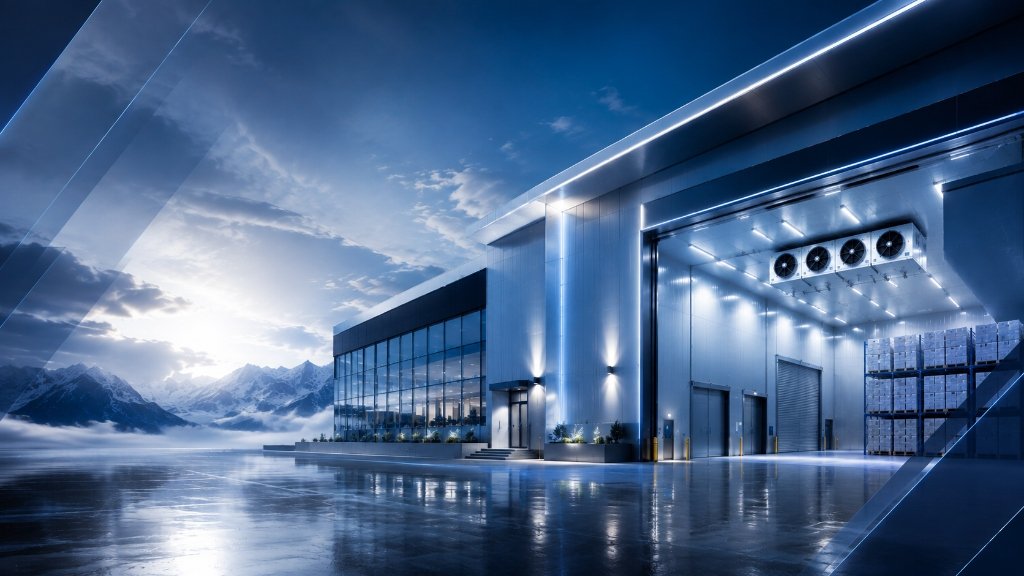
PUF Panel Manufacturer in Pune
PUF panels for cold rooms and insulated buildings
A PUF panel is an insulated wall, ceiling or roof panel with a rigid polyurethane foam core between metal skins. It keeps heat out of cold rooms, freezers and process rooms running from +25 °C down to −40 °C. Falcon Refrigeration designs, makes and installs PUF panels in Pune and across Maharashtra.
The most important choice is panel thickness. Too thin, and the room loses cold, the compressor runs longer and the outer wall can sweat. Too thick, and you pay for foam you do not need. This page shows how to choose.
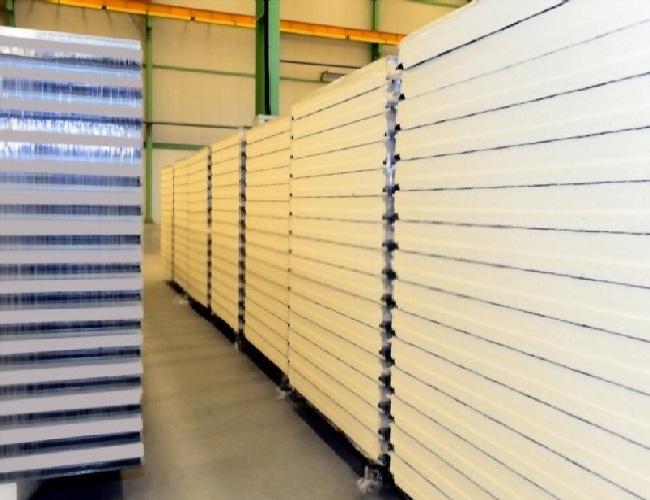
Why thickness matters
Heat flows through a wall in proportion to the temperature difference across it. A −25 °C freezer in a 35 °C Pune summer has a 60 °C difference. A +4 °C chiller in the same shed has about half that.
Thicker foam cuts the heat flow. The U-value of a panel is roughly the foam's thermal conductivity divided by its thickness. With good PUF at about 0.022 W/m·K, a 100 mm panel gives a U-value near 0.22 W/m²·K.
Thickness and condensation
If the outer skin gets colder than the dew point of the surrounding air, water drips from it. This sweating is common on thin panels in humid places such as the Konkan coast. The right thickness keeps the outer face above the dew point.
Thickness and running cost
Every watt that leaks through the walls must be removed by the refrigeration system. Thicker panels allow a smaller condensing unit and cut electricity use over the life of the room. For a freezer that runs all year, the extra foam usually pays back.
Typical specifications (confirm for your project)
The table below is a common industry guide for walls and ceilings. It assumes the room is indoors or under a roof. Your final thickness depends on site heat, product load and running hours.
| Room use | Room temperature | Typical panel thickness | Approx. U-value (W/m²·K) |
|---|---|---|---|
| Air-conditioned process or packing room | +18 to +25 °C | 50–60 mm | 0.44–0.37 |
| Fruit, vegetable, dairy or pharma chiller | +2 to +8 °C | 60–80 mm | 0.37–0.28 |
| Ripening chamber | +14 to +18 °C | 60–80 mm | 0.37–0.28 |
| Frozen food store | −18 to −25 °C | 100–120 mm | 0.22–0.18 |
| Blast freezer or deep-freeze store | −30 to −40 °C | 150 mm | about 0.15 |
U-values are approximate, based on a core conductivity of 0.022 W/m·K and ignoring the skins and joints.
Core properties
| Property | Typical value |
|---|---|
| Core density | About 40 ± 2 kg/m³ |
| Thermal conductivity | About 0.022–0.025 W/m·K |
| Cell structure | Closed-cell, rigid |
| Blowing agent | CFC-free |
| Service temperature | Suits rooms down to about −40 °C |
Rooms colder than −40 °C need a special design, often with thicker or double-layer walls. See our ultra-low temperature cold rooms (−40 to −80 °C).
Other factors that change the choice
Insulated floors for freezers
Below 0 °C, the floor needs insulation too. Without it, the ground under the room freezes and can lift the slab. Freezer floors use high-density insulation with a wearing screed on top, plus ventilation or heating below for low-temperature rooms.
Outdoor rooms and sun on the roof
A room in direct sun gains much more heat than one inside a shed. For outdoor rooms, we often use a thicker roof panel. Another option is a separate roof sheet with an air gap.
Door openings and product load
Frequent door openings let in warm, moist air. Warm product loaded into the room adds heat as well. Both add to the refrigeration load, so we size panels and refrigeration together. A well-sealed cold room door with a strip curtain reduces air loss.
Skin finish
Skin finish does not change insulation, but it affects hygiene and life. PPGI suits most rooms. Stainless steel suits rooms washed often. For details on skins, cores and joints, see our sandwich PUF panels page.
Checks when panels arrive on site
- Thickness matches the order at several points along each panel
- Foam fills the panel fully, with no hollow sound when tapped
- Skins are flat, with no dents, scratches or peeling paint
- Joint edges are clean and undamaged, so panels lock tightly
- Protective film is still on the skins until installation
Store panels flat, off the ground and under cover until they are erected.
Panels, refrigeration and doors as one package
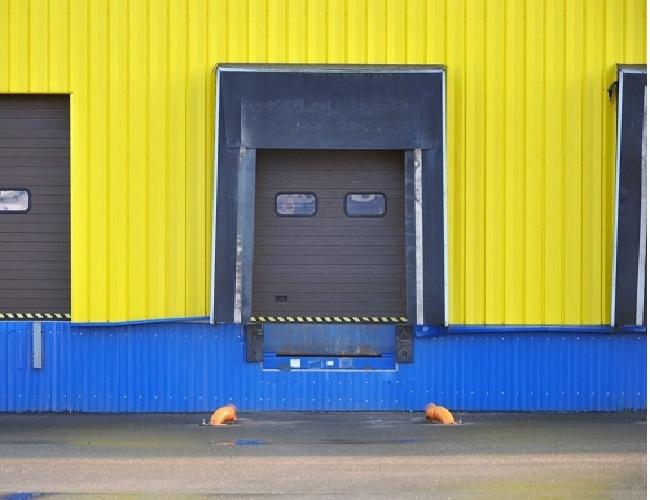
An insulated room works only when the panels, doors and refrigeration are matched. We design them together, so the panel thickness and the refrigeration capacity suit your product and temperature. Learn more about complete rooms on our cold room manufacturer in Pune page, or see cold rooms across Maharashtra.
The same panels are also used for prefab site offices and equipment rooms; see our PUF panel shelters. Running a cold room with high power bills? A refrigeration energy audit can show whether the insulation is the cause.
Frequently asked questions
What thickness do I need for a −20 °C freezer room?
Most −18 to −25 °C freezer rooms use 100–120 mm panels for walls and ceilings. Use the upper end for outdoor rooms, hot sites or rooms with frequent door openings. The floor also needs insulation to stop the ground from freezing. We confirm the final thickness after checking your site and load.
What does 40 kg/m³ density mean?
It is the weight of one cubic metre of the cured foam core. About 40 ± 2 kg/m³ is the usual range for cold room panels. It gives a good balance of strength, insulation and cost. Foam that is much lighter may be weak or have voids, so ask for the density on the test report.
Can I use thinner panels and a bigger compressor?
You can, but it usually costs more over time. A bigger compressor uses more electricity every day the room runs. Thin panels can also sweat on the outside in humid weather. For rooms that run all year, the right panel thickness is normally cheaper than the extra power.
How long do PUF panels last?
Panel life depends mostly on joint sealing, skin coating and site conditions. If moisture gets into the foam through poor joints, insulation drops and ice can form. Keep joints sealed, repair damaged skins quickly, and check door gaskets regularly. With this care, the panels can serve for many years.