
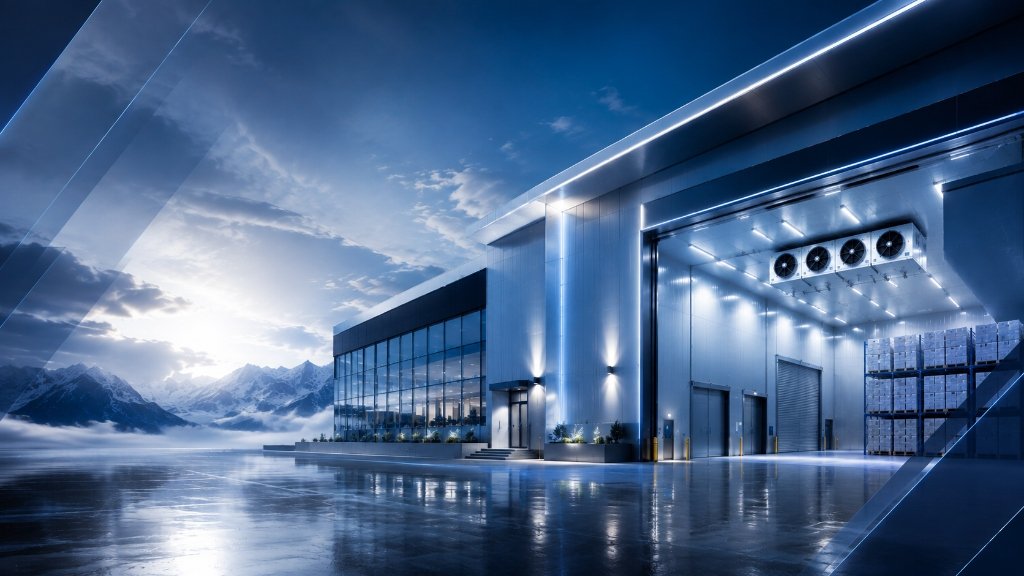
Cold Room Manufacturers in Maharashtra
Cold rooms for Maharashtra businesses
A cold room is an insulated, refrigerated room that holds food, medicines and other perishable goods at a set temperature.
Depending on the product, that can be anywhere from +8 °C down to −80 °C. Businesses use these rooms for bulk storage that normal refrigerators cannot handle. Falcon Refrigeration designs, makes and installs cold rooms in Pune and across Maharashtra.

We work from our unit at Shivne, NDA Road, Pune. Each room is sized for the product, the daily load and the site. This page explains the temperature classes, the main parts of a room, the industries we serve and how a project runs.
Temperature classes and what they store
The storage temperature decides almost everything else. It sets the panel thickness, the type of compressor, the defrost method and the door design. The table shows the usual classes and where to read more about each one.
| Class | Room temperature | Typical products | More detail |
|---|---|---|---|
| Chiller | +2 to +8 °C | Milk, curd, paneer, fruit, vegetables, vaccines and medicines | cold room manufacturer in Pune |
| Freezer | −18 to −25 °C | Frozen meat, fish, peas, ready meals and ice cream stock | sandwich PUF panels for freezer rooms |
| Blast freezer | −30 to −40 °C (air) | Fresh product frozen quickly until its core reaches −18 °C | blast freezer |
| Blast hardener | −30 to −40 °C (air) | Ice cream hardened straight after filling | blast hardener for ice cream |
| Ultra-low (ULT) | −40 to −80 °C | Biological samples, some pharma materials, sushi-grade tuna | ultra-low temperature cold room |
| Ripening | +14 to +18 °C, 90–95% RH | Bananas and mangoes ripened with ethylene | ripening chamber |
A blast freezer is not a storage room. It freezes product fast, and the product then moves to a −18 to −25 °C store. Many plants need both.
What a cold room is made of
Every room has the same basic parts. Getting each one right for the temperature class is what keeps the product safe and the power bill under control.
Insulated PUF panels
Walls and ceilings are built from PUF panels: rigid polyurethane foam between two metal skins. The foam density is usually about 40 ± 2 kg/m³. Skins are pre-painted GI for most rooms, or stainless steel where hygiene rules demand it.
Thickness rises as the temperature falls. Chillers commonly use 60–80 mm panels. Freezers use 100–150 mm, and ultra-low rooms use 150–200 mm.
Panel joints are locked and sealed so that warm, moist air cannot leak in.
Doors
The door is opened many times a day, so it causes much of the heat gain. We fit hinged or sliding cold room doors with full-perimeter gaskets.
Freezer doors have a heated frame to stop the gasket freezing shut. A pressure relief port protects freezer walls when the air inside cools and contracts.
Condensing unit
The condensing unit holds the compressor, condenser and fans. It sits outside the room, often on a terrace or a wall bracket.
We size it for the full heat load at summer ambient, which can pass 40 °C in parts of Maharashtra. Small rooms may use a single plug-in monoblock unit instead.
Evaporator and defrost
The evaporator, or unit cooler, hangs inside the room. Its fans push air through a finned coil where the refrigerant absorbs heat.
Freezer coils have wider fin spacing because frost builds up on them. They also need electric or hot-gas defrost. Chillers above +2 °C can often defrost simply by pausing the compressor.
Controls and alarms
A digital controller holds the set point and runs the defrost cycles. We add high and low temperature alarms, door-open alerts and a data logger.
Pharma rooms usually need recorded data for audits. Remote alerts by SMS or app are available where staff are not always on site.
Floor
Chiller rooms can often sit on an existing concrete floor. Freezer and blast rooms need an insulated floor.
Large low-temperature rooms on a ground slab also need floor heating or ventilation. Without it, the ground under the slab can freeze, heave and crack the floor.
Industries we serve across Maharashtra
The same parts are arranged differently for each trade. These are the main sectors we build for.
Fruit, vegetables and agri produce
Farmer groups and traders store produce close to where it is grown. Examples are grapes around Nashik, mangoes from Ratnagiri and Sindhudurg, and oranges around Nagpur. Fresh produce gives off heat as it breathes, so we add that load to the design.
Humidity control matters too, because dry air makes fruit lose weight.
Dairy and ice cream
Milk plants and chilling centres need rooms at about +2 to +4 °C with fast pull-down after loading. Ice cream makers need a hardener, a −25 °C store and often a chilled room for packing material.
Meat, poultry and fish
Processors use chillers for fresh product and freezers for frozen stock. Stainless steel skins and coved corners make cleaning easier.
Pharma, hospitals and laboratories
Medicines and vaccines are usually stored at +2 to +8 °C. Some materials need −20 °C or colder. These rooms need even air flow, accurate sensors, alarms and data records.
Hotels, restaurants and retail
Kitchens and supermarkets often need a walk-in chiller beside a walk-in freezer. Sharing one wall saves space and panel cost.
How a cold room project runs
Most projects follow the same five steps. You get a clear specification before anything is built.
1. Site visit
Our engineer checks the space, floor, power supply and where the outdoor unit can go. We ask what you store, how much comes in each day, and at what temperature it arrives.
2. Design and heat load
We calculate the heat load from the product, walls, door openings, lights, staff and fans. That fixes the panel thickness, condensing unit, evaporator and defrost. You receive a drawing and a written specification with the price.
3. Manufacture
Panels, doors and frames are made to the drawing. The refrigeration equipment is selected and prepared for installation.
4. Installation and commissioning
Our team erects the panels, seals the joints and fits the door.
Then we pipe, charge and wire the refrigeration system. We run a pull-down test and set the alarms before handover. Your staff are shown how to load the room and respond to alarms.
5. AMC and service
An annual maintenance contract (AMC) covers planned visits. These include condenser cleaning, gasket and leak checks, and controller settings. For older rooms with high bills, a refrigeration energy audit shows where power is being lost.
Where we work
We are based in Pune and install across Maharashtra and nearby areas. These include Mumbai, Nashik, Aurangabad, Ahmednagar, Solapur, Sangli, Satara, Kolhapur, Nagpur, Amravati, Beed, Jalna, Raigad, Palghar, Ratnagiri and Sindhudurg. We also work in Raipur and Panaji.
For rooms in and around the city, see our Pune page linked in the table above.
Frequently asked questions
What temperature should my cold room run at?
It depends on the product. Most chilled food, dairy and medicines are kept at +2 to +8 °C. Frozen food is stored at −18 to −25 °C. Blast freezing uses −30 to −40 °C air, and ultra-low storage runs at −40 to −80 °C. Your supplier's or regulator's storage label always comes first.
How thick should the PUF panels be?
Panel thickness follows the room temperature. As a general guide, chillers use 60–80 mm panels, freezers 100–150 mm and ultra-low rooms 150–200 mm. Hot sites, roof exposure and long running hours can justify thicker panels. We confirm the thickness after the heat load calculation for your site.
Can a cold room be built inside an existing building?
Yes, in most cases. Panel rooms are modular, so they can be built inside a shed, basement or factory bay. We check the floor, ceiling height, access for panels and a place for the outdoor unit. Freezer rooms may need an insulated floor laid over the existing slab.
What information do you need for a quote?
Tell us the product, the storage temperature and the quantity stored. Add how much comes in each day and its arrival temperature. Share the room size or space available and the site location. Photos of the space help. With these details we can send a specification and a price.